Theme
World Cancer Day 2026.
Location
Masooli
Date and Time
Thursday, February 19, 2026
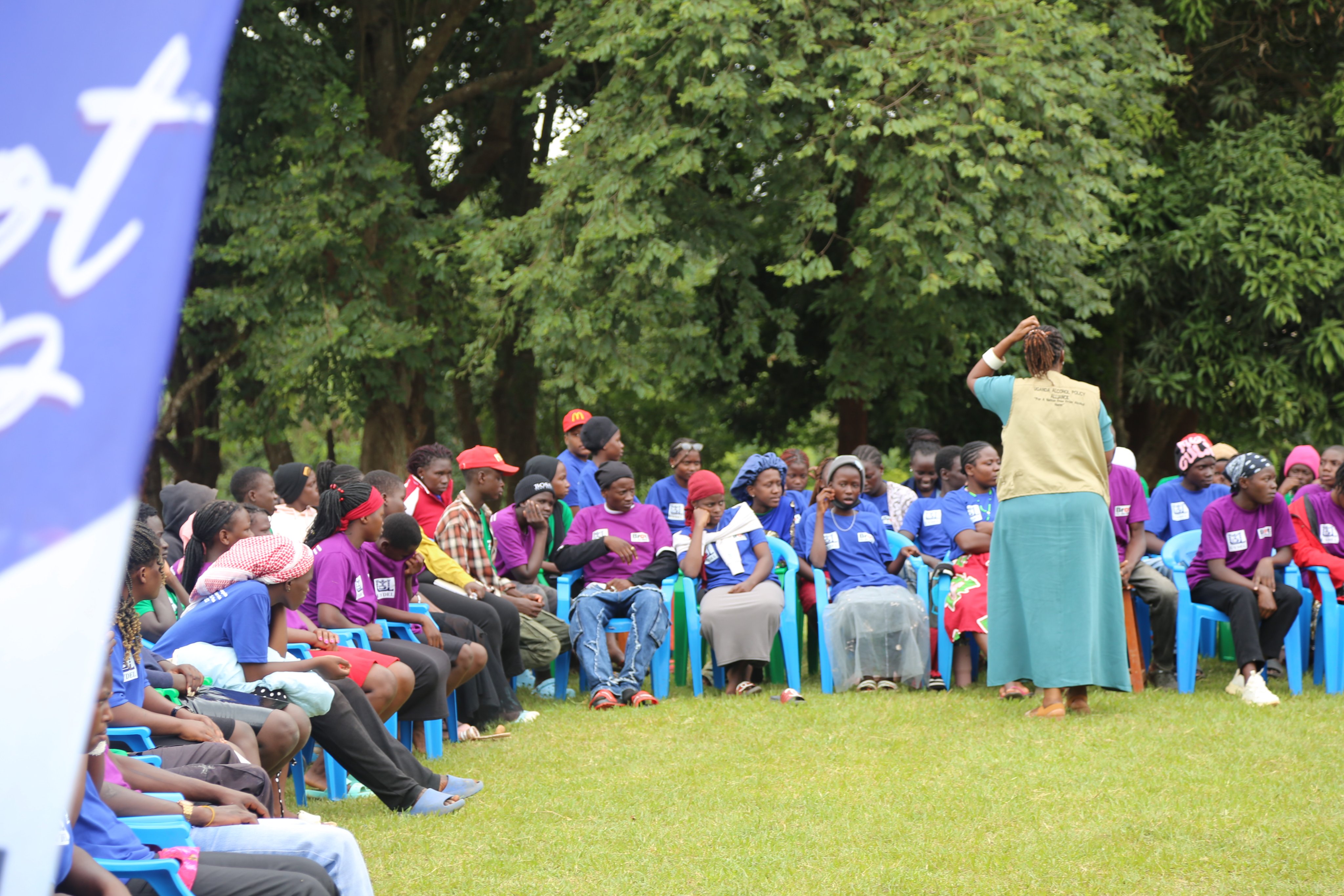
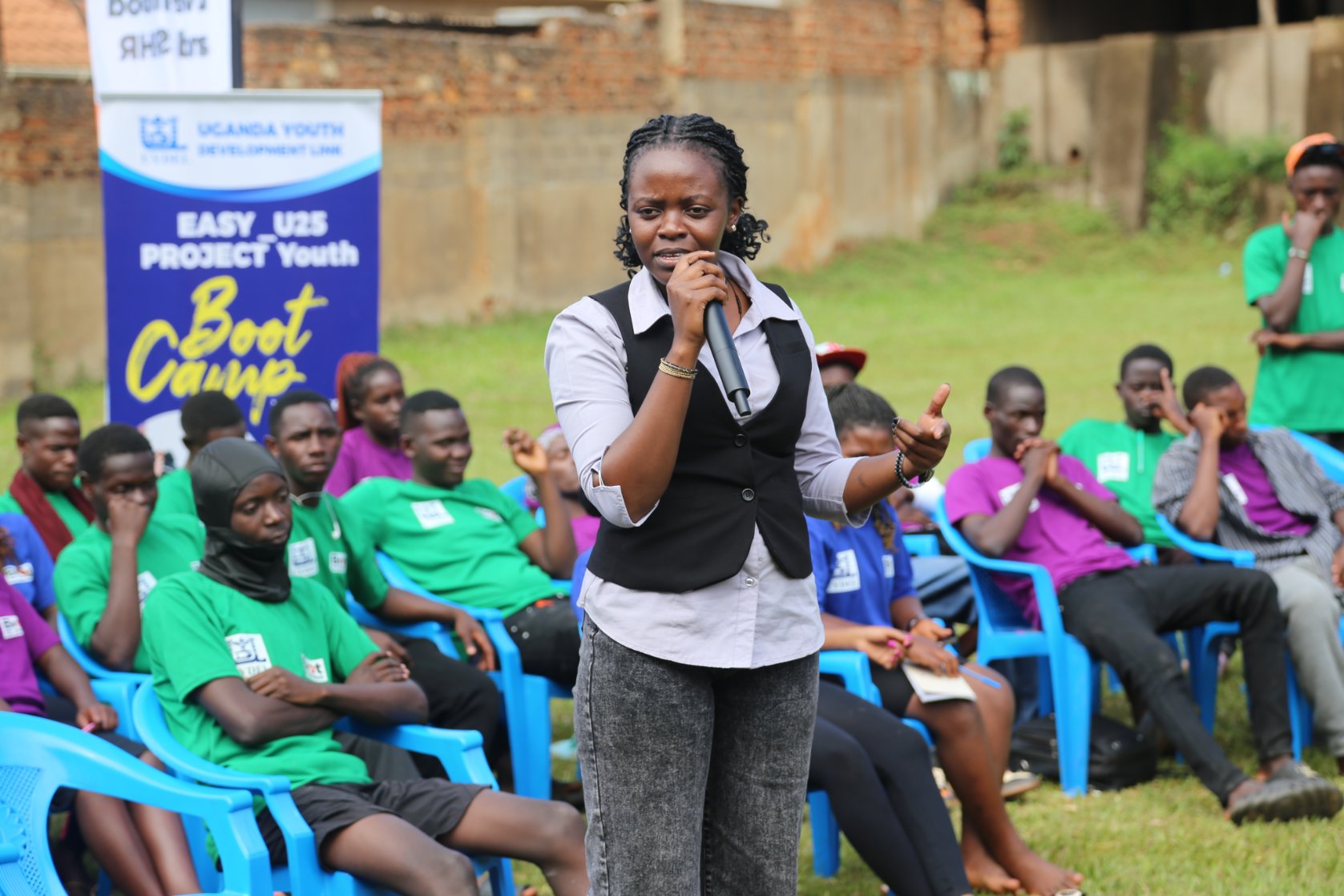
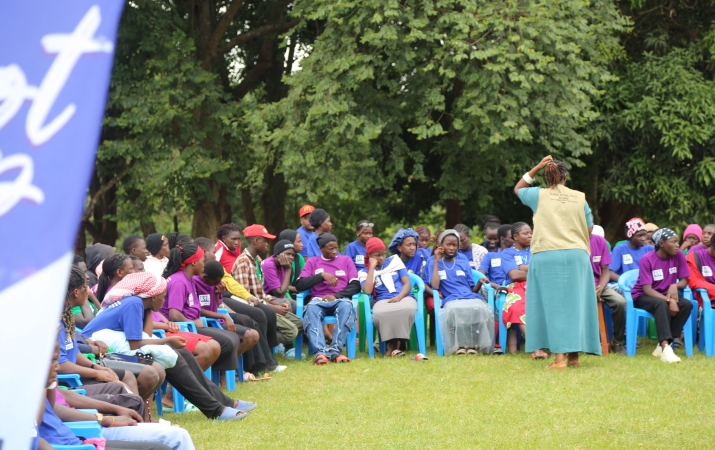
Today, our member institution Uganda Youth Development Link extended to us an invitation to facilitate at the EASY U25 Project Boot Camp.
We conducted a targeted youth engagement session to raise awareness on the link between alcohol consumption and non-communicable diseases particularly liver cirrhosis and liver cancer.
With this activity, we hope to increase youth awareness of alcohol-related cancer risks while addressing the social norms and myths that drive alcohol use and promoting informed, healthy lifestyle choices.
The session used participatory and experiential approaches:
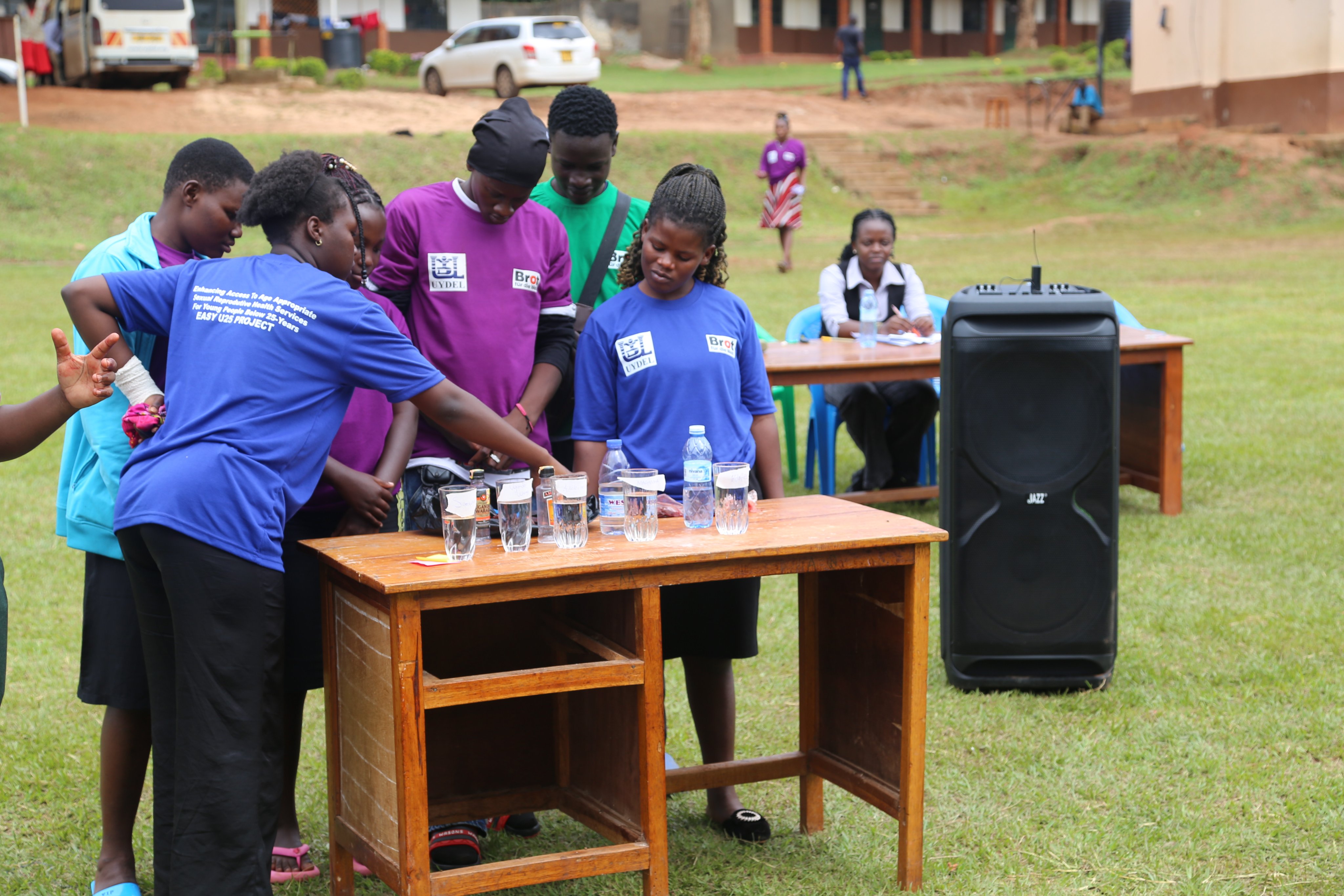
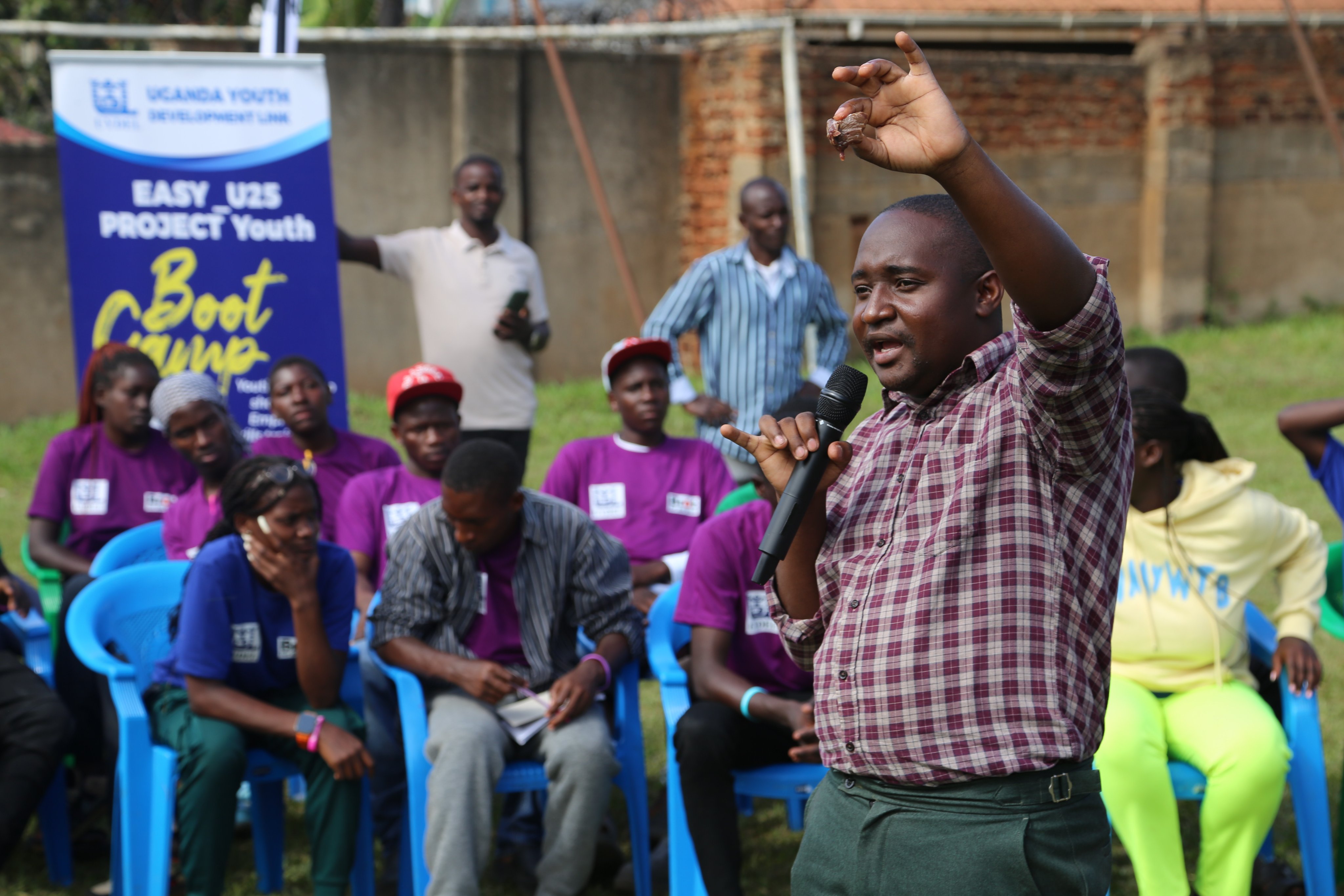
i. A liver demonstration experiment to illustrate how alcohol damages the liver.
ii. A myth-versus-fact dialogue where youth identified beliefs influencing drinking.
iii. A simplified teaching session explaining how alcohol affects the brain, judgment, and long-term health.
iv. Open discussion to document social drivers of alcohol use among participants.
v. Short youth demos of the behavioral traits of drunkards they have met in the community.
Although reported by fewer participants, the following revealed dangerous misinformation:
i. Alcohol improves sexual performance
ii. Alcohol helps pregnant women deliver safely
iii. Alcohol treats illnesses, heals cough, reduces pain, or disease
iv. Alcohol makes one “strong” or “normal” or improves strength
v. Drinking helps forget HIV diagnosis, helps cope with heartbreak
vi. Alcohol aids sleep or weight loss
vii. Is necessary for social belonging
viii. Is harmless because it is cheap and accessible
Each of these appeared at least once, showing presence of health myths within the community.
The immediate Outcomes
i. 130 youth gained knowledge on the link between alcohol and cancer risk.
ii. Participants demonstrated improved understanding of how alcohol affects:
a. Liver function
b. Brain development and decision-making
c. Long-term health and productivity
d. Short skit demos of behavioral traits of intoxicated persons in their community
iii. Misconceptions about alcohol as a coping mechanism were openly challenged.
iv. Youth expressed willingness to adopt healthier coping strategies.