Theme
Response to Alcohol Harm in Uganda.
Location
Office of the Prime Minister, Kampala.
Date and Time
Wednesday, April 8, 2026
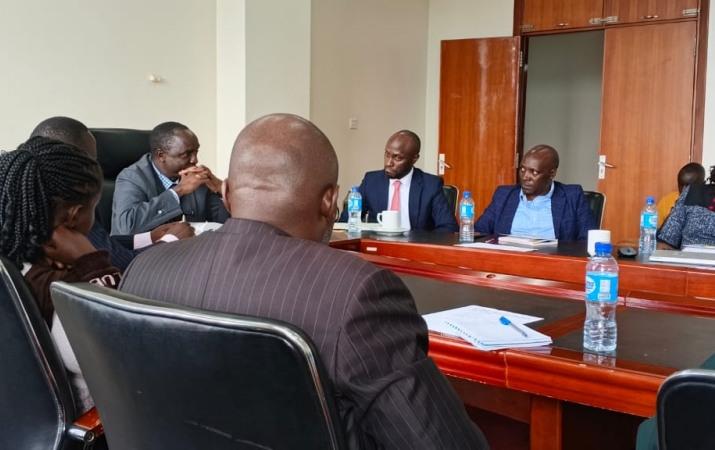
The 3rd Multisectoral Meeting on Strengthening the Whole-of-Government of Uganda Response to Alcohol Harm in Uganda was convened at Office of the Prime Minister Uganda on the 8th of April 2026.
Under the auspices of the Office of the Permanent Secretary, this meeting provided a platform for exchanging ideas among stakeholders on how best to address alcohol-related harm in Uganda and these are some of our thoughts - compiled by our National Coordinator Ms. Nassanga Margaret.
Self-regulation, while well-intentioned, often falls short of meaningful impact. For example, although regulations prohibit the sale of alcohol to persons under 18, this is just lip service, far away from actual practice.
Studies show that underage drinking is prevalent in Uganda, with children as young as 5 years gaining access to alcohol (Tumwesigye, 2024). Without robust enforcement, such measures remain symbolic rather than protective.
Misconceptions About Manufactured vs. Illicit Alcohol:
It is misleading to suggest that manufactured alcohol which accounts for about 30% of consumption is “safe,” while illicit alcohol (70%) is the sole challenge. Evidence indicates that all ethanol-containing beverages pose health risks, regardless of whether they are branded, taxed, or home-brewed (Niwagaba et al., 2026).
Furthermore, the definition of “illicit” is often confused. Much of what is categorized as illicit includes informal home brews such as muramba, kwete, and ajono, which are widely consumed but poorly regulated ((Niwagaba et al., 2026). This misclassification obscures the real risks and undermines effective regulation.
Workplace Policies and Public Responsibility:
Manufacturers of alcohol in Uganda themselves recognize the dangers of alcohol consumption in the workplace.
They enforce strict policies prohibiting employees from drinking during working hours or reporting intoxicated, acknowledging the productivity and safety benefits of a sober workforce (InternationaI Labour Organization, 2019).
The same principle applies beyond the factory gates: employers, schools, and communities all benefit from sober individuals. Yet, with alcohol available 24/7, accessibility undermines these goals. Regulation is not prohibition; it is a safeguard.
Uganda’s Youth and the National Duty:
Uganda is widely recognized as one of the youngest nations in the world. With more than 70% of its population under the age of 30, making youth and children the majority demographic, (Uganda Bureau of Statistics, 2024).
Uganda’s high NEET (NOT in employment, Education or Training) rate (50.9% of youth aged 18–30) is closely linked to rising alcohol use, with the country recording one of the highest per capita alcohol consumption levels in Africa.
This overlap suggests that widespread youth disengagement from education and employment; fuels risky behaviors, including alcohol misuse, which in turn worsens health, social, and economic outcomes, leaving them vulnerable to alcohol-related harm.
Comparative lessons from Kenya, Rwanda, South Africa, and Germany- home to AB in Bev, show that strong regulatory frameworks can reduce alcohol-related harm (Kenya Law, 2022).
Uganda must urgently adopt similar SAFER measures to safeguard its youth and ensure sustainable national development. We have a mandate to protect Ugandans.
Regulation is not merely policy, it is a patriotic and moral obligation to safeguard our people, our future, and our nation!